School Readiness for Autistic Children
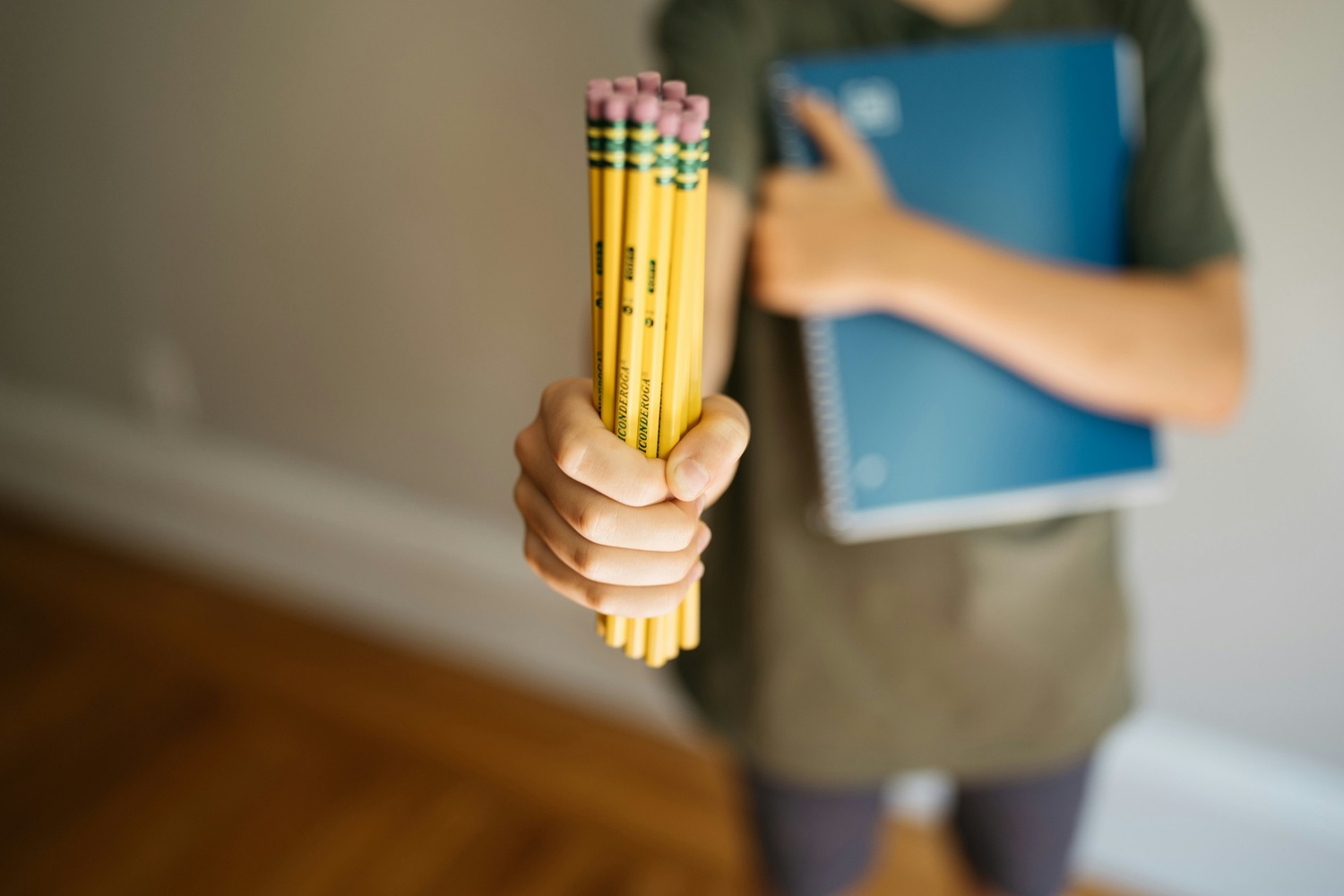
School readiness is a foundational step for children with autism. Unlike general readiness, which focuses primarily on academic skills, school readiness for children with autism also emphasizes social interaction, communication, emotional regulation, and adaptive skills. Preparing a child to transition from home or early intervention programs to a classroom requires a holistic approach that addresses these areas.
Key aspects of school readiness include:
-
Understanding Routines: Children learn to follow schedules and anticipate daily activities, which helps reduce anxiety and promotes independence.
-
Communication Skills: Building the ability to express needs, respond to instructions, and interact with teachers and peers is critical.
-
Sensory Adaptation: Many children with autism experience sensory sensitivities. School readiness includes exposure to classroom-like environments to help them adjust to new sounds, lights, and textures.
-
Social Engagement: Practicing turn-taking, sharing, and cooperative play prepares children for group learning activities.
Early preparation often involves collaboration between parents, teachers, and therapists. Pre-school programs, playgroups, or structured early intervention settings can provide gradual exposure to learning environments. The goal is to help children feel confident, reduce stress, and ensure they are ready to participate fully in school life. Children who are adequately prepared show smoother transitions, increased engagement, and a higher likelihood of academic and social success.