Individualized Education Plan (IEP)
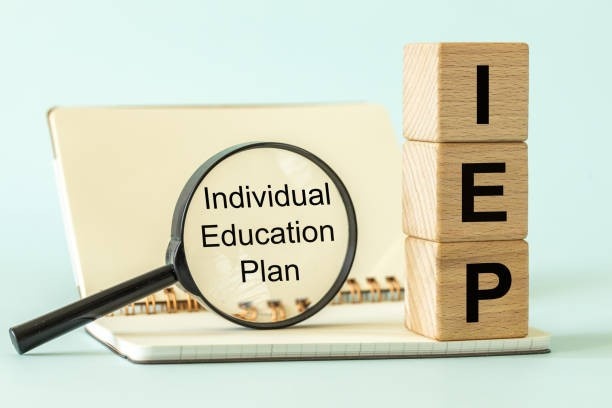
An Individualised Education Plan (IEP) is a cornerstone of inclusive education for students with autism. It is a legally recognised document that outlines a student’s unique learning needs, goals, strategies, and the support required to achieve them. IEPs ensure that children receive tailored instruction while participating in mainstream or inclusive classrooms.
Key components of an IEP:
-
Personalised Learning Goals: Academic, social, communication, and behavioural objectives are designed to suit the child’s abilities and developmental stage.
-
Specific Strategies: Teaching techniques are adapted to match the child’s learning style. This may include visual supports, structured routines, or technology-assisted instruction.
-
Support Services: Access to speech therapy, occupational therapy, or behavioural interventions can be included within or alongside the school setting.
-
Regular Review: IEPs are monitored and updated regularly to reflect progress, challenges, and evolving goals.
Learning plans provide consistency across environments, ensuring that strategies used in the classroom are reinforced at home. Collaboration between parents, teachers, and therapists is critical for successful implementation. A well-designed IEP promotes skill development, reduces frustration, and supports academic achievement while fostering inclusion and social participation.